REPT BATTERO Official SMB Channel | Flexible MOQ & Ready-to-Ship LFP Cells. Contact us to Request a Quote.

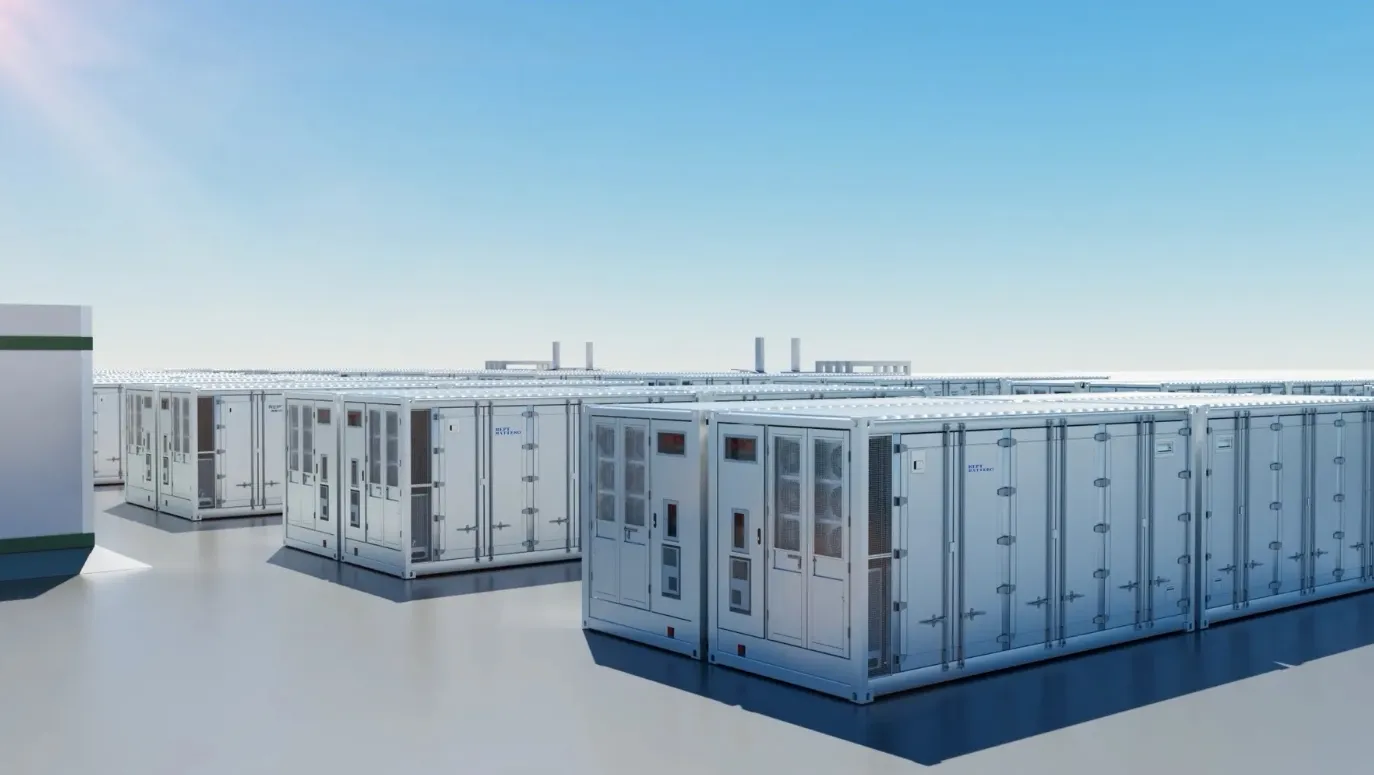
Wending Battery Technology
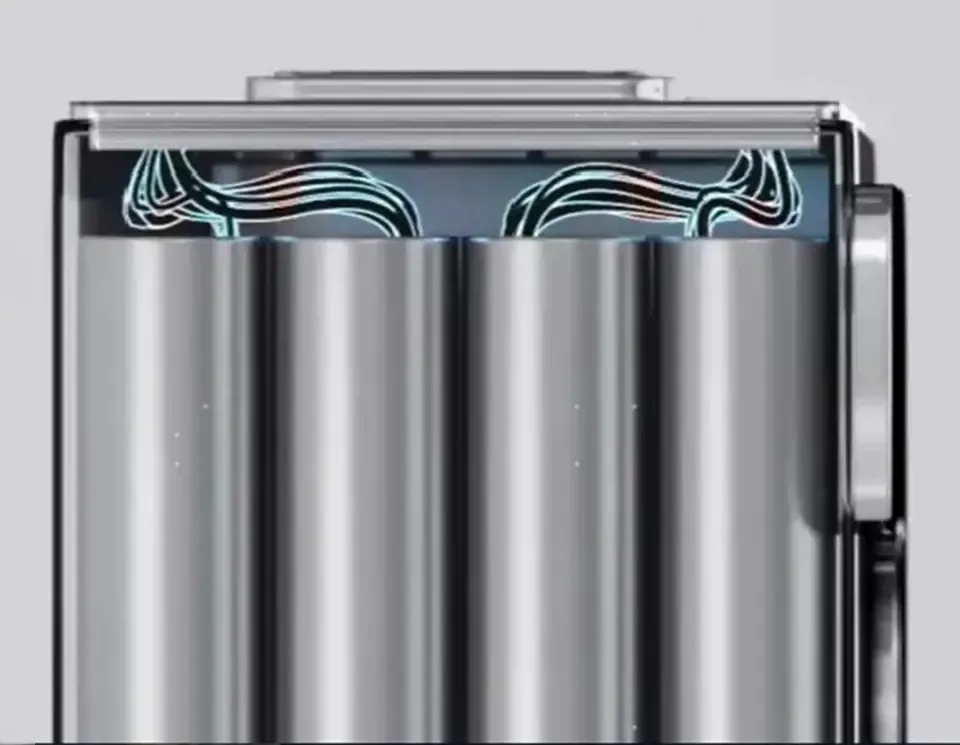
Wending battery technology revolutionizes lithium-ion batteries with a patented top-cap design and seamless welding, optimizing space utilization and structural stability. It is compatible with LFP and NCM chemistries and boosts energy density, facilitates fast charging, and offers superior safety for electric vehicles and energy storage systems.
Wending integrates innovative cell structure and cutting edge solid-liquid interface technology to provide extension of lifespan, cost efficiency and compact design in sustainable power solutions for global mobility and energy.
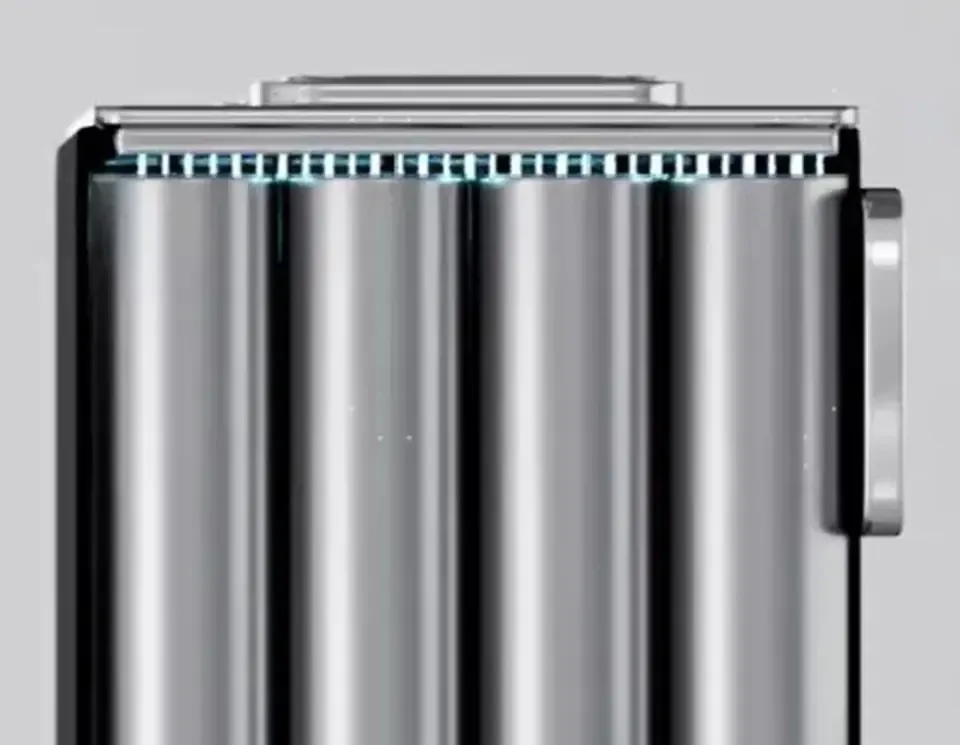
Enhanced design reduces system costs and boosts ROI, improving project economics.
No U-shaped tab bending ensures a stable structure, minimizing short-circuit risks and enhancing lifecycle safety.
Powers EVs with 700km (LFP) or 1200km+ (NCM) range, reducing range anxiety in all conditions.
2-4C fast charging slashes charge times, driven by 60% shorter tabs and dual high solid-liquid interface technology.
Optimized structure and electrochemistry enable up to 10,000 cycles, retaining capacity.
Dual-High Solid-Liquid Interface Technology
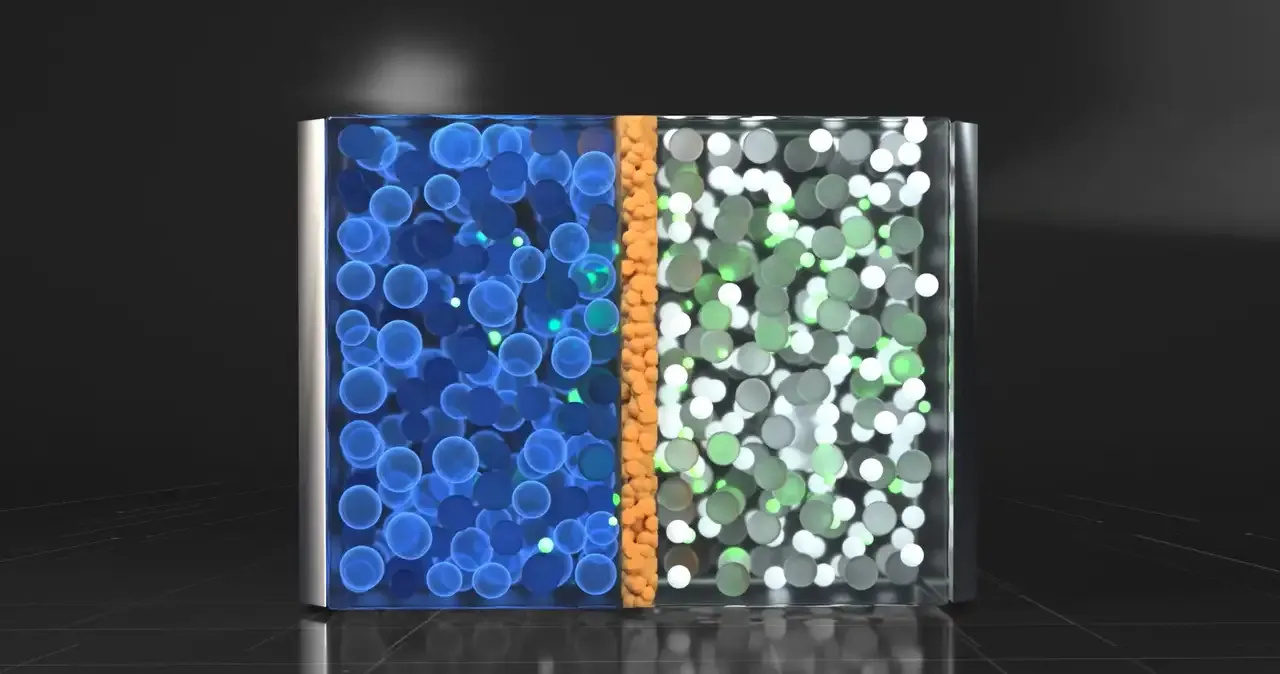
In product design, we adhere to the design philosophy of high areal density and high compaction (dual-high). Centered around this dual-high concept, our multi-dimensional solid-liquid interface design technology employs non-destructive detection and advanced simulation methodologies to thoroughly investigate and construct multi-dimensional pore structures. This approach has achieved breakthroughs in electrolyte infiltration technology, enabling precise control over the solid-liquid interface to attain an optimal, controllable state.
7%
Increased Space Utilization
Innovative top design maximizes internal volume for active materials.
30%
Faster Ion Migration
Shortened electrical pathways enable quicker energy transfer and charging.
16%
Lower DC Resistance
Reduced internal resistance improves efficiency and thermal performance.
10%
Higher Capacity
Same-size battery delivers more energy with revolutionary internal architecture.